
Operational DATA AND REPORTING /
Greater operational visibility through real-time data and actionable insights that empower faster decisions, improve performance, and drive continuous improvement.
OPERATIONAL DATA SERVICES /
Valuable operational data often sits siloed across disconnected systems, making it hard for decision-makers to see trends, track performance, or trust what they’re looking at. Without a reliable data foundation, even the best dashboards and reports are only as good as the data feeding them.
At Tier16 we deliver data services that unlock the full potential of operational data, from Historian configuration and industrial data integration through to production reporting and dashboarding, helping enterprises turn raw data into a strategic asset.
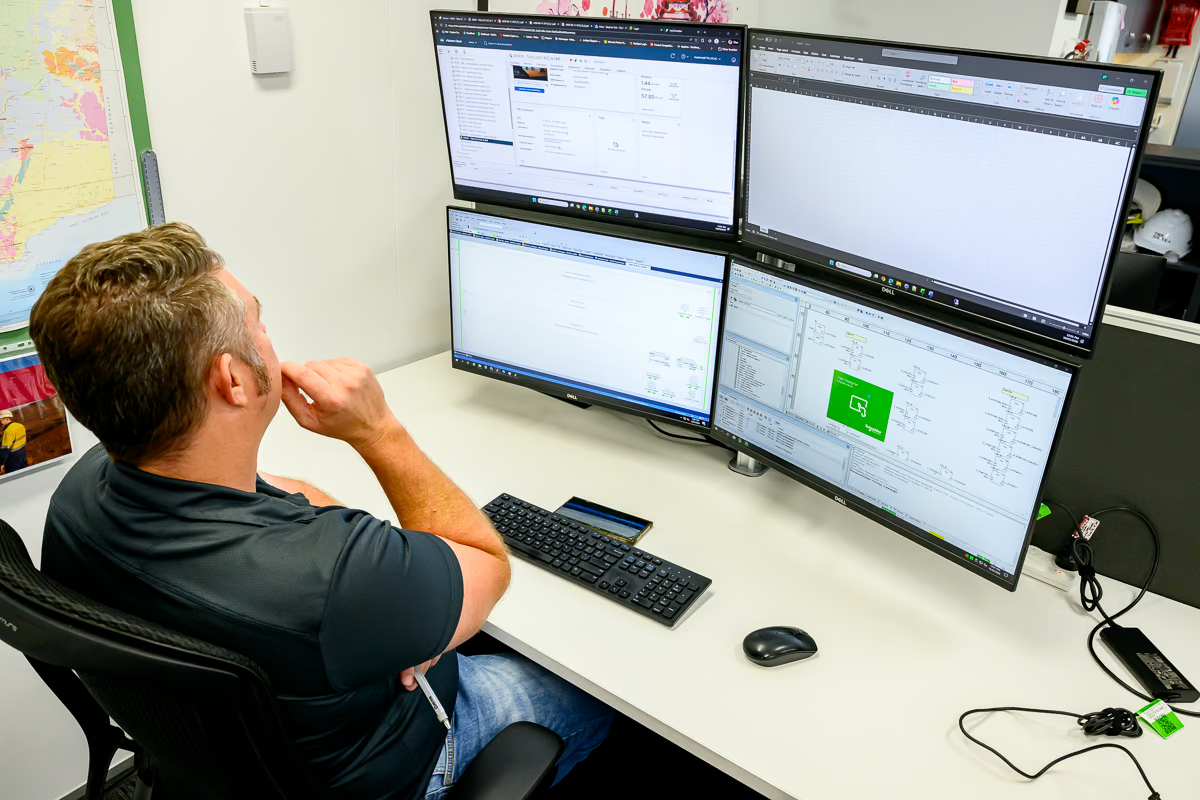
Historian Configuration & Interfacing /
Our operational visibility solutions ensure accurate, secure and scalable data collection, giving your teams confidence in every operational decision. A well-configured historian is the backbone of reliable long-term operational data, supporting industrial data integration and seamless OT-IT convergence across your operations.
- Historian Configuration
- Historian Interfaces & Data Integration
- Time-Series Data Collection & Normalisation
- Data Traceability & Governance
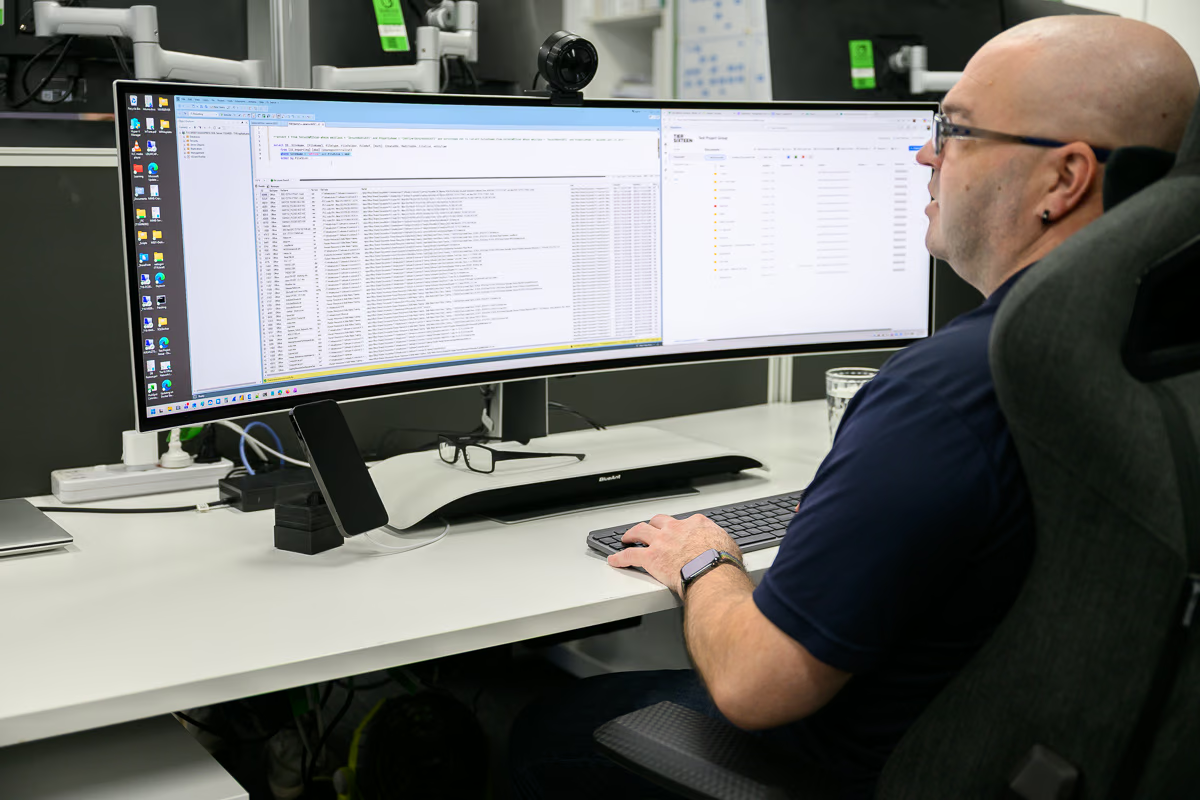
Reporting & Dashboarding /
Deliver operational visibility solutions that transform industrial data into actionable insights through intuitive reporting, real-time dashboards and IIoT analytics. We create tailored visualisations and reporting tools that empower operators, engineers and management with timely, data-driven decision support.
- Production Management Reporting
- Real-Time Dashboarding
- Performance & Productivity Reporting
- Custom KPI Dashboards
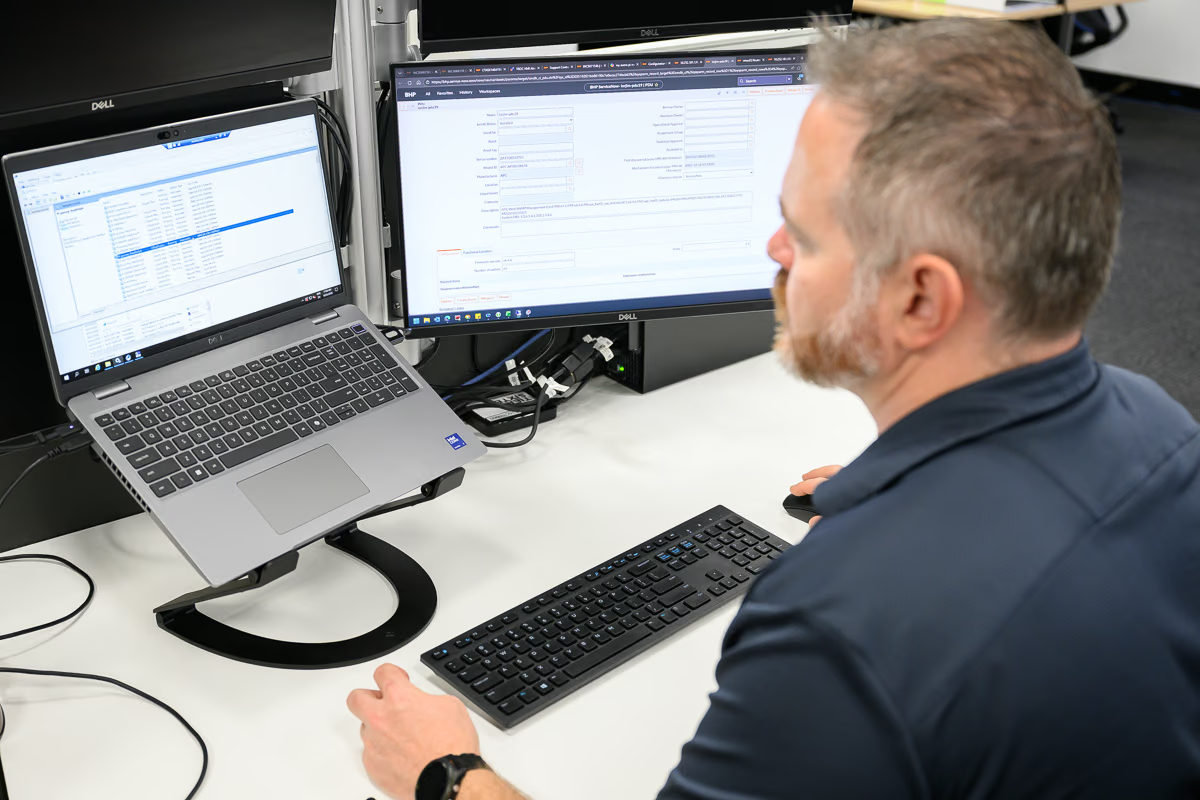
Data Governance & Centralisation /
Centralising industrial data creates trusted data access, governance and enterprise-wide decision-making. By establishing consistent data standards and governance frameworks, we help organisations maximise the value of their operational information while supporting future digital transformation initiatives.
- Central Data Repositories
- Data Access & Governance
- Scalable Data Architecture
INDUSTRIAL DATA SOLUTIONS BENEFITS /
Our clients can easily see, understand, and trust their data, helping them make better decisions faster and improve how their organisation operates.
Actionable Data Intelligence/
Historian configuration and interfacing unlock long-term operational trends and performance insights.
Secure Centralisation of Knowledge/
Central data repositories consolidate valuable information for access, governance, and scalability across the business.
Real-Time Operational Intelligence/
Production management reporting enhances visibility into processes, performance, and productivity as they happen.
INDUSTRIAL DATA & OPERATIONAL VISIBILITY - faq/
What is a Historian and why is it important?
A Historian is a specialised database that collects and stores time-series data from industrial processes over time. It’s important because it enables long-term trend analysis, performance benchmarking, and reporting that isn’t possible when data only exists in real time.
How do reporting dashboards connect to our existing systems?
Dashboards are typically connected through the Historian or other data interfaces already in place, pulling in live and historical data so reporting reflects the actual state of operations without requiring duplicate data entry.
Can historical data from legacy systems be migrated or interfaced?
Yes. Where legacy systems hold valuable historical data, we build interfaces or migration paths to bring that data into a central Historian, preserving long-term trends rather than starting the record from scratch.
What kind of KPIs can be tracked through dashboarding?
Common KPIs include throughput, uptime and downtime, energy or resource consumption, quality metrics, and alarm performance, though dashboards are built around whatever indicators matter most to the client’s operation.
How is data security and access managed across the platform?
Access is managed through role-based permissions and centralised governance over the data repository, ensuring users only see the data relevant to their role while the underlying systems remain protected.
How long does it take to implement Historian and dashboarding services?
Implementation timelines vary with scope, but a focused Historian and dashboarding rollout typically takes from a few weeks to a few months, covering configuration, integration, and validation with operational data.
OPERATIONAL DATA SERVICES/
Get in touch today and unlock the value of your industrial data.