
Alarm Rationalisation and Management /
Safer, smarter operations through alarm management and rationalisation that reduce alert fatigue and help operators prioritise the events that matter most.
ALARM RATIONALISATION & MANAGEMENT SERVICES /
Poorly rationalised alarm systems overwhelm operators with nuisance alerts, making it harder to identify genuine faults quickly. Over time, this alert fatigue erodes response times and increases the risk of a critical alarm being missed.
At Tier16 we help clients organise their alarm systems, aligning alarm philosophy, configuration, and reporting with recognised industry practice so operators can act on the alarms that genuinely need attention.
Alarm management is not only about proper classification in SCADA but ensuring an organisation has the appropriate classification tools and necessary meta data to get the most out of their alarm system. This includes the ability to identify bad actor alarms and organise required maintenance teams and activities around those bad actors.
Alarm Rationalisation /
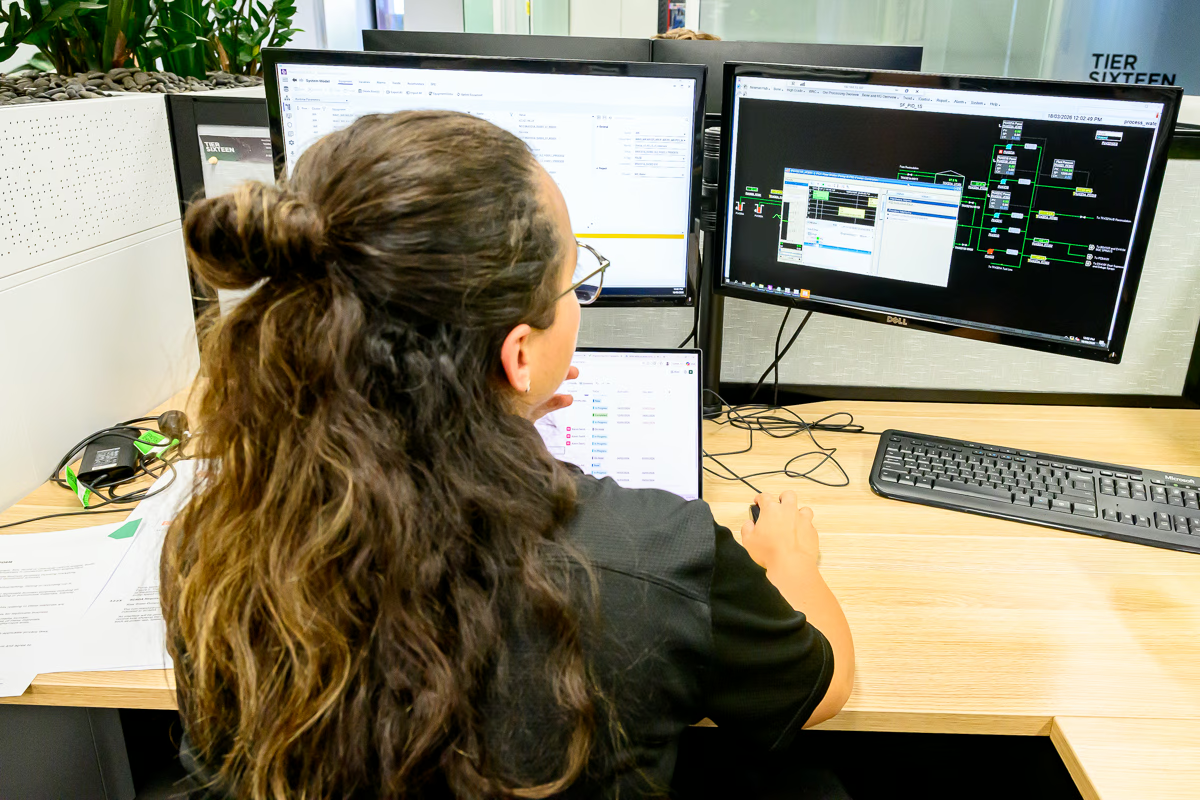
Alarm rationalisation properly classifies every remaining alarm, ensuring each alarm has a clear purpose, defined priority, actionable response procedures, and measurable operator actions that improve alarm management performance, reduce nuisance alarms, and support ISA 18.2 / IEC 62682 compliant alarm systems.
- Alarm Philosophy Development and policies.
- Alarm Audits & Analysis
- Alarm Prioritisation and Classification.
- Setpoint Review & Optimisation
- Alarm Response
Alarm Management Systems /
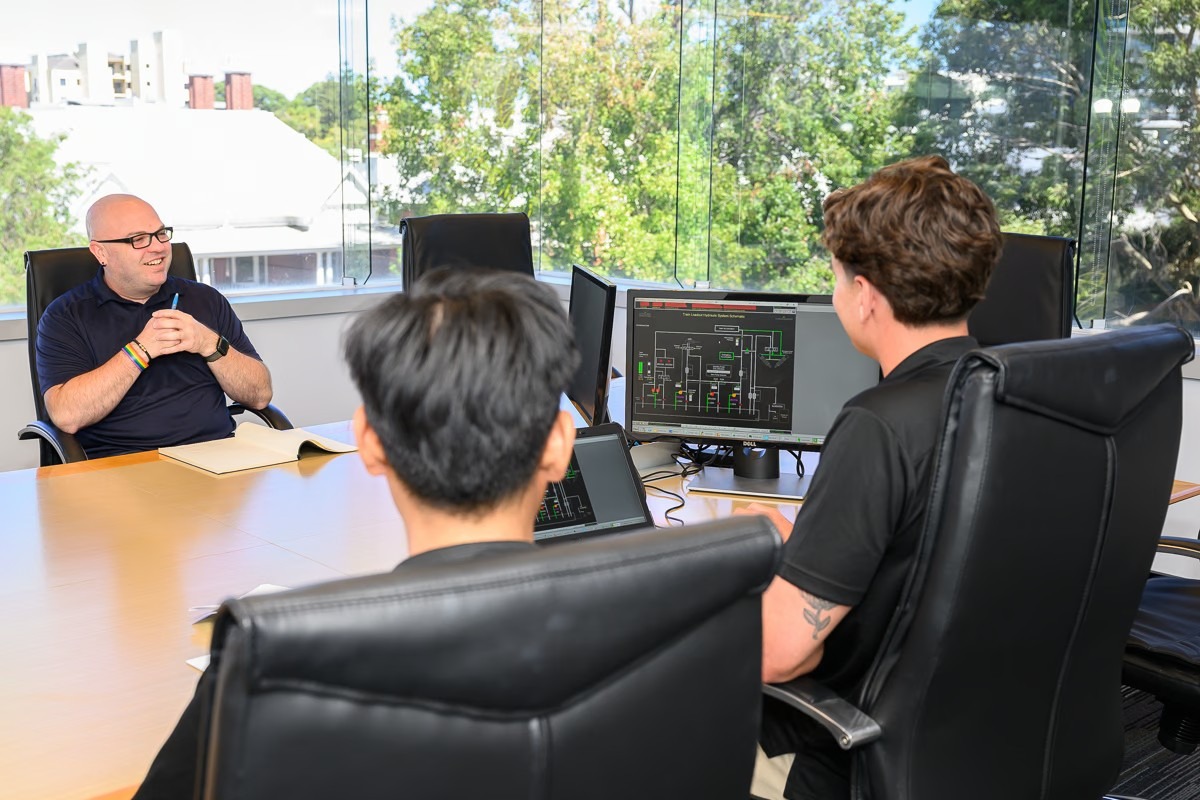
A well-designed alarm management system gives operators clarity in the moments that matter most. It ensures critical alarms are prioritised, actionable, and supported by clear response procedures, enabling faster decision-making, improved safety, and more effective control room performance.
- Real-Time Alarm Monitoring for Operators
- Alarm Reporting & Trending for Engineers
- Operator Response Procedures
- Alarm System performance and KPIs that drive maintenance activities.

Continuous Optimisation /
Alarm performance should be reviewed against industry benchmarks on an ongoing basis, not treated as a one-off project. Ensuring an alarm system remains in a usable stable state organisation need to ensure alarms system are properly tracked to pick up drift and bad actors.
- Alarm System KPI Tracking & Dashboarding
- Identification of Alarm Drift & Bad Actors
- Maximising Alarm System Value Through Ongoing Optimisation
ALARM MANAGEMENT BENEFITS /
Rationalised, well-managed alarm systems reduce alert fatigue and prioritise actionable events, supporting safer and smarter operations.

Reduced Alert Fatigue/
Eliminating nuisance alarms means operators can trust that every alert deserves their attention and respond with the appropriate action.

Faster Fault Response/
Clear prioritisation and reporting help operators identify and respond to genuine issues more quickly, this in turn means more production and less dead time trying to find the alarm needle in the haystack.

Improved Operator Effectiveness/
Well-designed alarm systems and training support operators in making confident, timely decisions.
Alarm RationaliSation SERVICES - faq/
What is alarm rationalisation and why is it needed?
Alarm rationalisation is the process of reviewing and refining an alarm system to remove nuisance and duplicate alerts, so that every alarm presented to an operator is meaningful and actionable. It’s needed because unrationalised systems can overwhelm operators and slow down genuine fault response.
What standards do you benchmark alarm systems against?
We benchmark alarm systems against recognised industry practice such as ISA-18.2 and EEMUA 191, which set out guidelines for alarm rates, prioritisation, and overall alarm system performance.
How do you identify nuisance alarms in an existing system?
We analyse historical alarm and event logs to identify alarms that are chattering, long standing, don’t require operator action, or duplicate other alerts, then work with operations staff to confirm which ones can be adjusted, suppressed, or removed. Dedicated alarm champions manage and control this process to ensure the best outcome.
Can alarm rationalisation be done without disrupting production?
Yes. Rationalisation is based on analysis of existing data and configuration changes that are tested and rolled out in a controlled manner, so it doesn’t require halting production to complete. Changes are generally performed on live system as it does not impact the PLC or RTUs.
How often should alarm systems be reviewed?
Good practice is to review alarm system performance at least quarterly once a system is properly rationalised and stable, with more frequent spot checks when initiating a program or after major process, equipment, or setpoint changes that could introduce new nuisance alarms.
How long does a typical alarm rationalisation project take?
A typical alarm rationalisation project takes from several weeks to a few months, depending on the number of alarms in the system and the depth of analysis and stakeholder consultation required.
ALARM SYSTEMS SERVICES/
Get in touch today and optimise your alarm rationalisation and management.